
Civil Aviation
How Did Iran Just Get 5 Boeing 777s Despite U.S. Sanctions?
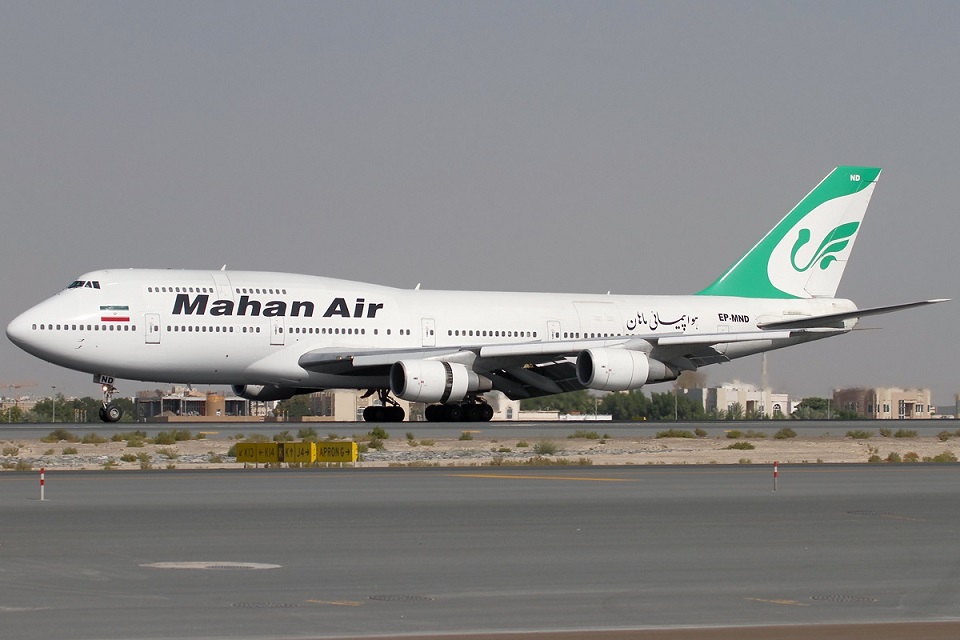
Despite years of crippling Western sanctions and direct bans on aircraft purchases from manufacturers like Boeing and Airbus, Iran’s aviation sector continues to find unconventional ways to stay airborne.
With rising domestic demand for air travel and limited access to modern jets, Iranian carriers are forced to get creative. The latest example? A discreet and strategic move by Mahan Air to acquire five Boeing 777 aircraft — jets that once flew for top Asian carriers and have now found their way into Iran through a complex, roundabout route.
Iran’s Mahan Air has managed to quietly acquire five Boeing 777 aircraft, formerly operated by Singapore Airlines and Thailand’s NokScoot. The move is significant given that direct aircraft sales to Iran remain banned under U.S. and European sanctions. This deal reflects the intricate web Iranian carriers often navigate to access commercial aircraft.
The aircraft in question began their service lives with Singapore Airlines, one of the world’s most prestigious carriers. Later, they were transferred to NokScoot, a Thai low-cost airline and joint venture with Scoot, Singapore Airlines’ budget subsidiary. However, NokScoot ceased operations at the onset of the COVID-19 pandemic, and the jets were subsequently stored in Alice Springs, Australia — a well-known aircraft storage location.
But these Boeing 777s weren’t destined for retirement just yet. Between September 2023 and February 2024, all five aircraft were acquired by Ion Aviation, a U.S.-based company that offers aviation consulting services. Though relatively under the radar, Ion Aviation registered the aircraft in the United States, assigning them tail numbers N99001 through N99005.
After the transfer to Ion Aviation, the aircraft were gradually prepared and flown out of Australia, ultimately making their way toward Iranian operators — most notably Mahan Air. Given the current sanctions landscape, this method of procurement appears to be a carefully coordinated effort to circumvent direct restrictions without violating international law, using intermediaries and re-registration strategies.
The acquisition highlights both the resilience and resourcefulness of Iran’s aviation sector. Mahan Air, already under U.S. sanctions for its ties to Iran’s Revolutionary Guard, continues to modernize and expand its fleet despite international pressure.
While Western authorities continue to monitor aircraft sales and ownership transfers, this case shows how loopholes and strategic intermediaries still allow restricted nations to access commercial aviation assets.

