Civil Aviation
FAA Postpones Cockpit Security Rule Union Demands Action
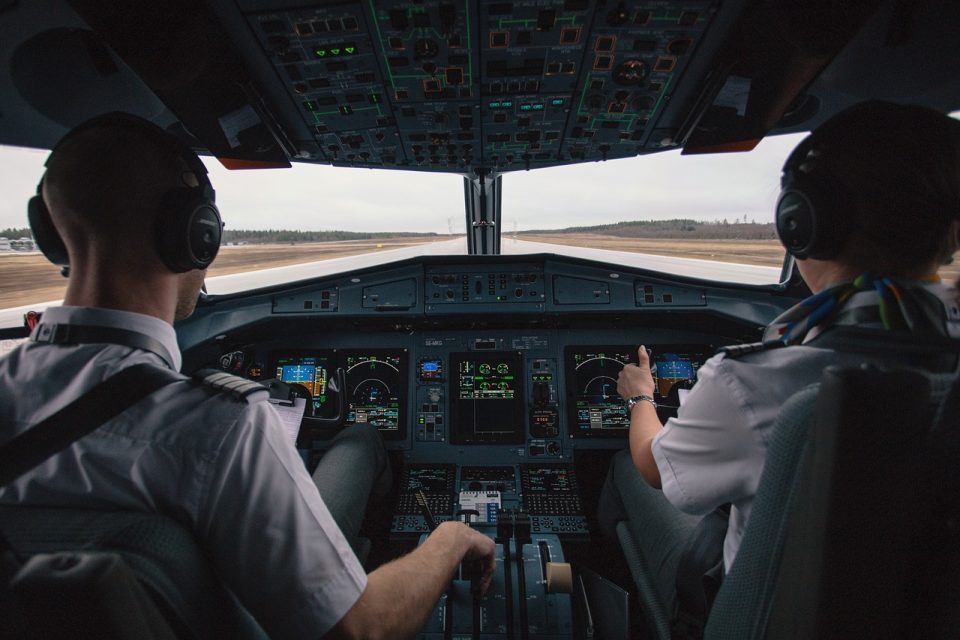
More than two decades after the 9/11 attacks brought cockpit security into sharp focus, new safety measures meant to reinforce flight deck protection have once again been delayed.
Despite growing calls from pilots and aviation security advocates, the Federal Aviation Administration (FAA) has pushed back its long-awaited regulation mandating secondary cockpit barriers — a move drawing both relief from airlines and frustration from pilot unions.
The Federal Aviation Administration (FAA) has announced a one-year delay in enforcing a new safety regulation that would require all newly delivered U.S. passenger aircraft to be equipped with secondary flight deck barriers.
Initially set to take effect on August 25, 2025, the requirement will now be postponed until 2026, following lobbying efforts by major airline groups.
The secondary barrier — a lightweight, retractable gate — is designed to offer continuous protection to the cockpit when the primary door is open during flight. The rule was introduced as a congressionally mandated measure to enhance security and prevent potential cockpit breaches.
The delay comes after Airlines for America (A4A), a trade group representing carriers such as American Airlines, Delta, and United, submitted a formal request to the FAA seeking more time.
The group argued that a two-year extension was necessary due to the agency’s failure to certify any barrier design or approve essential manuals, procedures, and training programs related to the new requirement.
A4A cited the absence of an FAA-approved design as the core challenge. While companies like Schroth have developed innovative, foldable barrier systems—already selected by Airbus for most of its models—none have received final certification in the U.S. Without FAA approval, airlines say they are unable to begin crew training or install the barriers.
However, the delay has drawn sharp criticism from the Air Line Pilots Association (ALPA), which represents more than 77,000 pilots across the U.S. and Canada. The union expressed deep disappointment, accusing the FAA of repeatedly caving to airline pressure.
The union contends that airlines have had more than sufficient time to prepare, and warns that further delays could compromise cockpit safety — particularly at a time when security concerns continue to evolve.
While the FAA maintains that the delay is necessary to allow for proper implementation, aviation safety advocates argue that passenger protection should not be postponed. With the new deadline set for 2026, the industry now finds itself at a crossroads — between ensuring security and navigating bureaucracy.
For more aerospace news, check out JetlineIntel.
Want to buy aviation merchandise? Visit Jetshop.in.
To read Jetlinemarvel’s updates on Google News, head over to Google News.