Defence
FCAS Faces Turbulence as Dassault Clashes with Partners
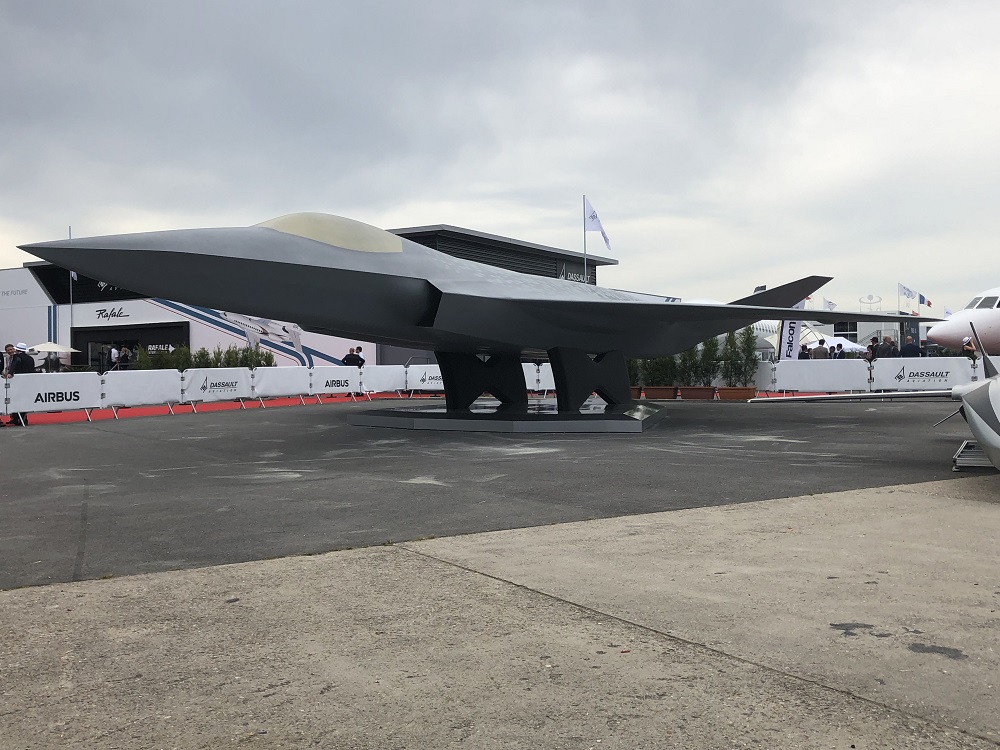
In Europe’s race to build a sixth-generation fighter jet, unity is beginning to crack. While Germany leans on Airbus and Spain backs the trilateral Future Combat Air System (FCAS) program, French aerospace giant Dassault Aviation has raised eyebrows by declaring it could go it alone.
This bold stance threatens to unravel a €100 billion project designed to secure Europe’s defense autonomy at a time of growing security concerns with Russia.
Rising Tensions in Europe’s Flagship Fighter Program
According to industry sources, Dassault Aviation has openly stated it can independently develop a next-generation fighter, escalating long-standing disagreements within the FCAS framework.
The French company insists it must lead the manned fighter jet component, while Airbus—representing Germany and Spain—pushes for broader decision-making authority.
The result has been mounting friction:
- Dassault Aviation – insists on leadership of the crewed fighter jet.
- Airbus – representing Germany and Spain, seeks equal say across FCAS systems.
With negotiations faltering, Germany is even weighing alternative partnerships with Britain and Sweden, potentially fracturing the FCAS vision.
Stakes of the €100 Billion FCAS Project
The FCAS is Europe’s most ambitious military program, combining a Next-Generation Fighter (NGF), autonomous Remote Carriers, and an Air Combat Cloud network to synchronize operations.
A demonstrator flight linking all components is tentatively planned for 2028–2029, showcasing collaborative combat capabilities.
However, progress has been repeatedly slowed by industrial rivalries, leadership disputes, and competing national priorities. The recent remarks from Dassault have only deepened uncertainty about whether the program can stay intact.
The Road Ahead
Leaders from France, Germany, and Spain are set to meet in Berlin this October in an attempt to ease tensions and reset the partnership. The stakes are high: FCAS is not just a fighter jet but a symbol of Europe’s strategic autonomy in defense technology.
Yet with Dassault challenging its partners and Germany exploring alternatives, the project faces a decisive crossroads. Whether FCAS emerges as a united European solution—or fragments into rival efforts—may determine the continent’s air combat future for decades to come.