Tech
How Airbus’ Taxibot Concept Could Eliminate Engine Use During Taxiing
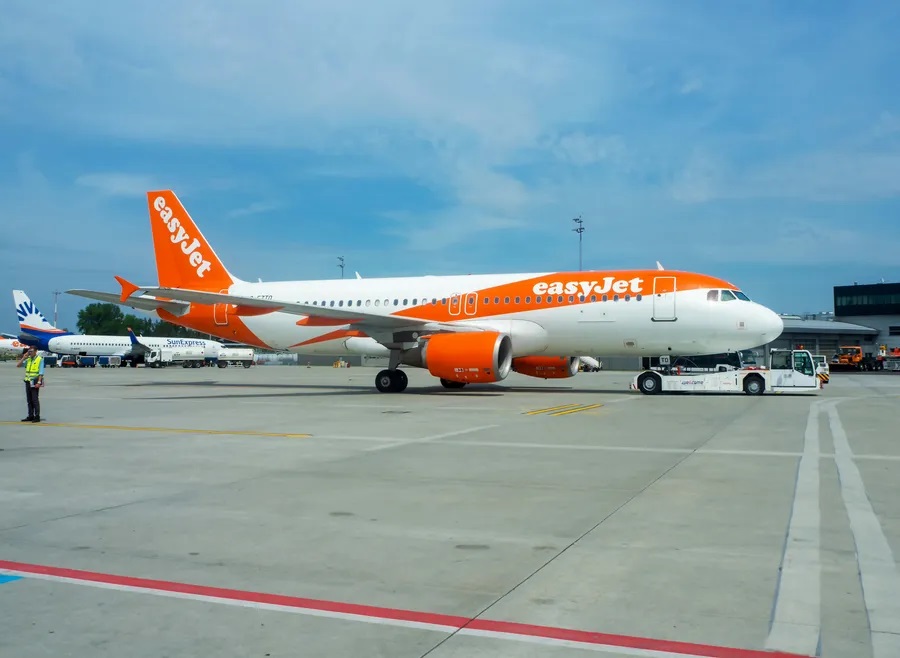
Airbus is advancing its aircraft operations beyond the skies — this time focusing on what happens before takeoff. In a bold move to revolutionize ground operations and cut carbon emissions, the aerospace giant is now promoting a cutting-edge concept: the Taxibot.
After successful trials involving its A320-family jets, Airbus is stepping up efforts to integrate this hybrid-electric, pilot-controlled ground tug into airport ecosystems across Europe and beyond.
A Greener Path from Gate to Runway
As part of the European Union-backed HERON initiative (Highly Efficient gReen OperatioNs), Airbus has been leading efforts to improve the sustainability of aircraft operations — not just in the air, but crucially on the ground. One of the standout technologies under trial is the Taxibot, designed to tow aircraft without using their engines, thereby slashing emissions, fuel burn, and noise pollution during taxiing.
Currently being tested at major international hubs like Amsterdam Schiphol, New Delhi, Paris Charles de Gaulle, New York JFK, and Brussels, the Taxibot is gaining traction just as HERON nears its conclusion in December 2025.
How the Taxibot Works
The Taxibot is a hybrid-electric tug clamped to an aircraft’s nose landing gear. The nose wheel is raised onto a pivoting platform, which allows pilots to steer the aircraft using the tiller and brakes — just like normal taxiing, but without firing up the engines. Initially, a trained ground driver connects and pushes back the aircraft, after which the pilot takes control of the tug.
The system requires minor certified modifications to the aircraft’s avionics bay and is now available as a retrofit option for Airbus single-aisle operators. Leading low-cost carrier easyJet is expected to begin its own trials at Schiphol in 2025.
Environmental Impact and Airport Integration
By replacing traditional taxiing with engine-off towing, the Taxibot significantly reduces CO₂ and NOx emissions, as well as ground-level noise pollution. Airports like Schiphol are ideal testbeds due to the long distances between terminals and runways, which traditionally require high fuel consumption during taxiing.
The technology fits into a broader environmental strategy under HERON, a project supported by SESAR Joint Undertaking — part of the EU’s Single European Sky ATM Research program. Airbus is working alongside 23 other partners across 10 countries, including airlines, ATC authorities, airports, and service providers.
To prepare for large-scale adoption, pilot training programs are ramping up, and airport infrastructure adjustments are being made to streamline the tug’s connection and removal process. Coordination efforts between pilots, ATC, and ground crews are also being fine-tuned to embed the tug into normal operational workflows.
A Broader Green Aviation Vision
While the Taxibot is a standout, HERON covers a wider spectrum of innovations aimed at reducing aviation’s environmental footprint. This includes:
- Single-engine taxiing
- Trajectory-based operations using ADS-C EPP standards
- Improved runway and approach procedures
Together, these tools aim to create a more efficient, lower-emission future for European and global aviation.
Conclusion:
With proven results and expanding airport trials, the Taxibot is no longer just a concept — it’s becoming a cornerstone of Airbus’s green ground strategy. As the HERON program enters its final months, Airbus and its partners are demonstrating that the road to sustainable aviation begins not just in the air, but right on the taxiway.