Travel
Travel Ban 2.0? Trump Considers Blacklisting 36 More Countries
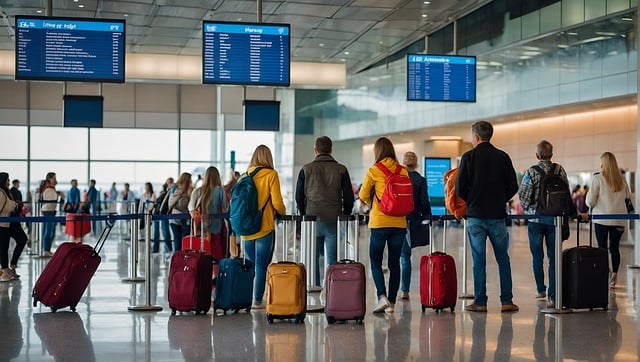
In what could mark one of the most sweeping immigration moves in recent history, U.S. President Donald Trump is reportedly considering a dramatic expansion of his controversial travel ban—adding 36 more countries to the list.
Dubbed by observers as “Travel Ban 2.0,” the plan signals a renewed push to tighten national security and immigration controls, with serious implications for millions across the globe.
A Major Expansion in the Works
According to The Washington Post, which cited a classified State Department memo, the U.S. government is assessing whether to impose full or partial travel bans on an additional 36 countries. This move would come on top of Trump’s earlier executive proclamation that already restricted entry from 12 countries earlier this month.
The internal cable reveals that the countries in question are being scrutinized over issues such as:
- Lack of reliable identity documents
- Poor passport security
- Non-cooperation in deporting nationals from the U.S.
- Visa overstays
- Links to terrorism or anti-American activities
Countries at Risk of a Ban
If these nations fail to meet U.S. security and compliance standards within the next 60 days, they could face entry restrictions similar to the existing travel ban. The 36 countries being considered include:
Africa & the Middle East:
- Angola, Benin, Burkina Faso, Cameroon, Côte d’Ivoire, Democratic Republic of Congo, Djibouti, Egypt, Ethiopia, Gabon, The Gambia, Ghana, Liberia, Malawi, Mauritania, Niger, Nigeria, Senegal, South Sudan, Tanzania, Uganda, Zambia, Zimbabwe, Sudan, and Syria.
Asia & Pacific:
- Bhutan, Cambodia, Kyrgyzstan, Tonga, Tuvalu, Vanuatu
Caribbean & Latin America:
- Antigua and Barbuda, Cabo Verde, Dominica, Saint Kitts and Nevis, Saint Lucia, Sao Tome and Principe
Why These Countries?
The U.S. State Department flagged concerns ranging from weak governance to security risks:
- Some governments reportedly cannot produce trustworthy identity verification, making it harder to vet travelers.
- Others were unwilling to accept the return of citizens ordered deported from the U.S.
- A few nations had citizens implicated in terrorism, antisemitic acts, or other anti-U.S. behavior.
Existing Travel Ban Still in Effect
This potential new list would significantly broaden the scope of the existing travel ban, which currently applies to the following 12 nations:
- Afghanistan, Myanmar, Chad, Republic of Congo, Equatorial Guinea, Eritrea, Haiti, Iran, Libya, Somalia, Sudan, and Yemen
In addition, seven other countries—Burundi, Cuba, Laos, Sierra Leone, Togo, Turkmenistan, and Venezuela—face partial travel restrictions.
The countries under review now face a 60-day deadline to address the U.S.’s concerns. If no progress is made, a new round of entry restrictions could be enacted, triggering diplomatic tensions and travel disruptions.
While the move is being pitched as a national security measure, critics argue that such sweeping bans can have humanitarian consequences and affect families, students, and professionals with ties to the U.S.
Conclusion:
As global attention turns once again to U.S. immigration policy, Travel Ban 2.0 could reshape mobility, diplomacy, and migration patterns for dozens of nations. The world will be watching closely to see which countries make the list—and how they respond.