Tech
UK Unveils Next-Gen Stealth Jet Design Under GCAP Program
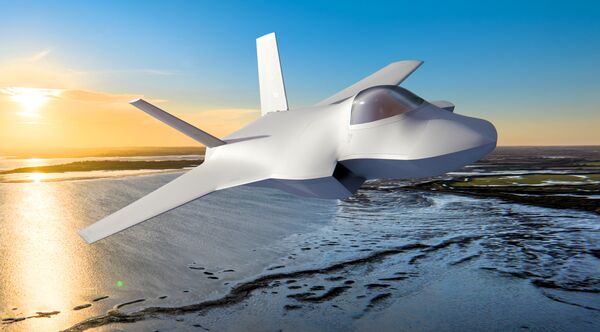
The future of air combat just took a giant leap forward. In a major breakthrough for British aerospace innovation, the UK has officially revealed the design of its next-generation Combat Air Flying Demonstrator — a futuristic aircraft set to redefine how the world builds and flies military jets.
Pushing Boundaries in Aerospace Engineering
The UK Ministry of Defence, in partnership with industry leaders including BAE Systems, has announced a critical milestone in its next-generation fighter jet programme. Two-thirds of the aircraft’s structural weight is now in production — a significant indicator that the concept is fast becoming a reality.
The aircraft’s main structure, wings, and twin vertical tail fins are currently being assembled at BAE Systems’ advanced manufacturing facilities in Lancashire. What sets this programme apart is its integration of cutting-edge technologies like digital twins, cobotics, 3D printing, and immersive simulation, all designed to dramatically reduce the time and cost of building future combat jets.
Designed for Stealth, Built for Speed
This new demonstrator aircraft features a wide fuselage, necessary for housing internal weapons bays, and sleek serpentine engine intakes that support stealth capabilities. The aircraft’s overall shape, including its sharp nose section, bears a strong resemblance to early Tempest fighter concepts — hinting at its role within the broader Global Combat Air Programme (GCAP).
Every detail of the aircraft is built with stealth, agility, and next-gen warfare in mind, positioning it firmly in the category of sixth-generation fighter jets.
Flying Before the End of 2027
Pilots from BAE Systems, Rolls-Royce, and the Royal Air Force have already logged over 300 hours in a high-fidelity simulator, which is being used to simulate flight trials, assess performance, and test advanced control systems before the real aircraft ever leaves the ground.
BAE Systems has confirmed that the demonstrator is on track to fly within three years, with a targeted first flight by the end of 2027. However, the final launch date will be carefully chosen to ensure maximum learning and value to the GCAP development effort.
A Headquarters for Global Collaboration
As part of its international effort, the UK also inaugurated a dedicated headquarters for GCAP (Global Combat Air Programme) on 7 July in Reading, Berkshire. The facility will host both the GCAP International Government Organisation and Edgewing — a powerful industrial joint venture between BAE Systems, Japan Aircraft Industrial Enhancement (JAIE), and Leonardo.
GCAP aims to deliver a fully operational sixth-generation fighter by 2035, built on collaborative development and cutting-edge innovation from the UK, Japan, and Italy.
Conclusion: The Next Generation Takes Shape
With advanced manufacturing underway, flight simulation in full swing, and international cooperation fueling its momentum, the UK’s Combat Air Flying Demonstrator represents more than just a test aircraft — it’s a glimpse into the future of global air dominance. As the world watches, the UK edges closer to putting a sixth-generation fighter in the sky — faster, smarter, and stealthier than ever before.