Defence
Sweden Seals $556M Gripen Deal with Thailand to Replace Aging F-16 Fleet
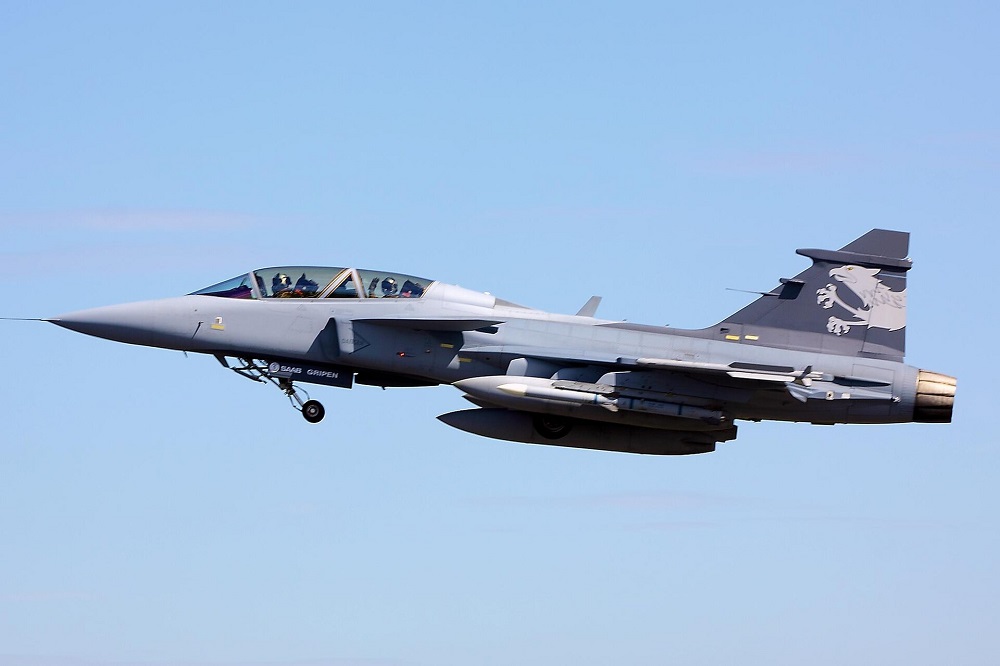
Sweden’s most successful fighter jet export program has gained fresh momentum. In a major defense deal announced on August 25, Sweden confirmed it will sell four advanced Gripen fighter jets to the Royal Thai Air Force (RTAF), further cementing the Gripen’s global footprint at a time when demand for modern, cost-effective multi-role fighters is rising.
Details of the Deal
The agreement, signed between Sweden and Thailand, includes three Gripen E variants and one Gripen F, along with associated equipment, training, and support. Saab, the manufacturer, revealed that the contract is worth approximately US$556 million (S$714 million), with deliveries scheduled between 2025 and 2030.
Thailand’s Fleet Transition
Thailand currently operates a squadron of Gripen C/D multi-role fighters acquired earlier under the Peace Burapha program. The newly ordered Gripens will replace the aging American-made F-16A/B Block 15 ADFs of the RTAF’s 102 Squadron at Korat (Nakhon Ratchasima).
These aircraft, originally sourced from surplus U.S. Air Force and Air National Guard fleets in the late 1990s, are now the oldest among the RTAF’s roughly 50 F-16s.
Thailand’s broader plan is to retire and replace all of its F-16s by 2035, including 18 that had undergone mid-life upgrades, positioning the Gripen as a strong contender in the nation’s future fighter roadmap.
Gripen’s Global Success Story
The Saab Gripen has quietly become one of the world’s most sought-after modern fighters, thanks to its cost-effectiveness, advanced avionics, and ability to integrate with NATO systems. In fact, Thailand is not alone in expanding its Gripen fleet.
Earlier this year, Brazil placed additional orders for Gripen E/F variants, while Hungary recently announced a deal for four new Gripen Cs to bolster its fleet. With these contracts, Saab’s production lines are set to remain busy well into the next decade.
Controversy and Regulatory Shifts
The Thai order, however, comes against the backdrop of political debate. In July 2025, Thailand reportedly used its existing Gripen C/D fighters in a border conflict with Cambodia, marking the first combat deployment of the Gripen since the jet’s maiden flight in 1988.
The incident triggered scrutiny in Stockholm, where Sweden’s arms export regulations traditionally forbid sales to countries engaged in active conflicts.
Yet, Sweden’s recent entry into NATO has prompted a reassessment of its arms export policies. Having abandoned its 200-year-long stance of military non-alignment, Sweden is now recalibrating its defense exports in line with its new alliance obligations. This shift helped clear the way for the Thai deal, despite earlier concerns.
A Strategic Win for Both Nations
For Sweden, the agreement reaffirms the Gripen’s standing as a competitive global fighter program, while for Thailand, it represents a crucial step toward modernizing its air force and reducing reliance on aging U.S.-built platforms.
As both nations move forward with this deal, the Gripen continues to demonstrate why it remains a formidable option in the modern fighter market—balancing advanced technology, affordability, and adaptability in an era of rapidly changing defense needs.
For more aerospace news, check out JetlineIntel.
Want to buy aviation merchandise? Visit Jetshop.in.
To read Jetlinemarvel’s updates on Google News, head over to Google News.