
Civil Aviation
Why Are IndiGo’s 6-Year-Old A321neos Being Scrapped
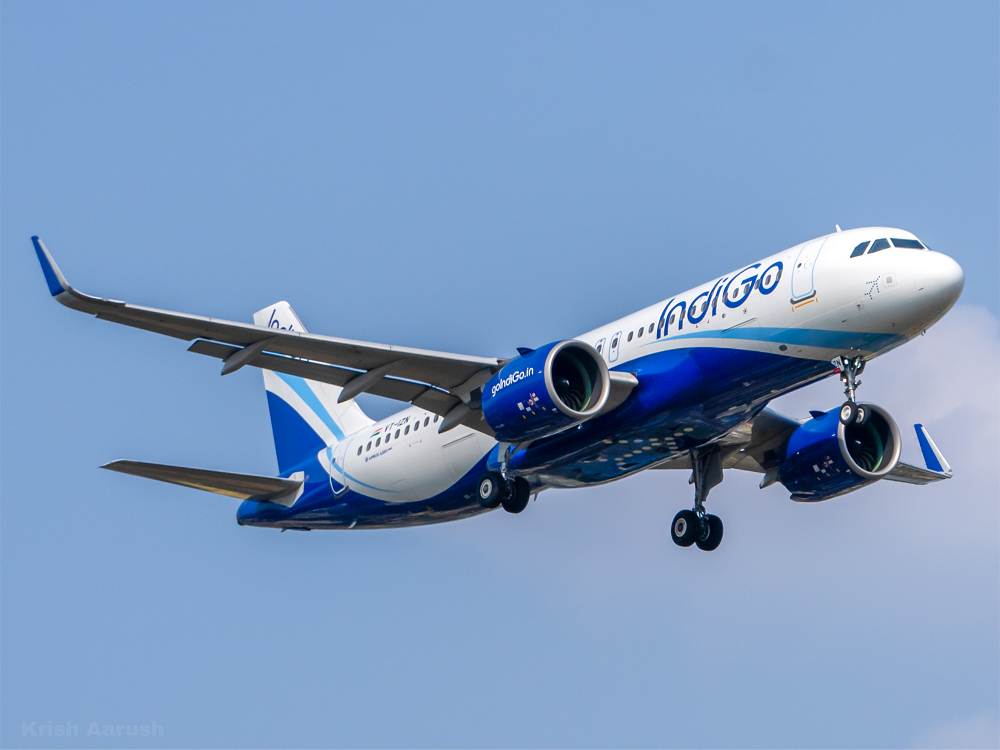
In today’s aviation market, where airlines are scrambling for capacity and new aircraft deliveries remain heavily delayed, the idea of scrapping a nearly new Airbus A321neo may sound almost unbelievable. Yet, that is exactly what’s happening.
Two A321neo aircraft that once flew with IndiGo — and are only six years old — are being dismantled in Spain, raising eyebrows across the aviation industry.
Setna iO’s Acquisition
According to a LinkedIn announcement, Setna iO, a leading aviation parts supplier, has purchased two 2019-built Airbus A321neo airframes from IndiGo for dismantlement. The aircraft are equipped with high gross weight enhanced landing gear, Honeywell GTCP131-9A APUs, GTF nacelles, and a modern upgraded avionics suite.
The teardown will take place in Castellón, Spain, with in-demand rotables (reusable parts such as engines, landing gear, and avionics) routed immediately for repair and resale.
A First for the Neo Family
Until now, dismantlement in the Airbus neo family has been largely limited to the smaller A320neo, with Cirium’s fleet data recording the part-out of 11 aircraft, most of them fallout from the Go First bankruptcy. These aircraft, mostly built between 2016 and 2018, were often in poor technical condition. Demand for the Pratt & Whitney PW1100G engines drove their early teardown, even though they were relatively young by industry standards.
What makes the case of the IndiGo A321neos different is that these are larger, higher-value aircraft in comparatively good condition. In theory, they could have continued flying for years or even been placed with another airline on lease.
Why Scrap Instead of Lease?
On the surface, re-leasing these aircraft might seem the smarter option. According to Cirium Ascend Consultancy, the current market lease rate for a 2019-built A321neo is about $350,000 per month — and with limited availability of used aircraft, demand should have been strong.
However, the teardown economics tell a different story. The estimated part-out value of each aircraft falls between $45 million and $56.5 million, depending on the engines’ condition. The Pratt & Whitney PW1133G-JM engines alone carry a market value of $15.2–21.4 million each, with potential lease rates of about $230,000 per month per engine.
For the owner, scrapping the aircraft provides immediate, high-value returns without the risks associated with re-leasing — such as credit exposure to airlines, fluctuating lease rates, or uncertain engine performance over time.
The Bigger Picture
This decision reflects a broader trend in aviation asset management: sometimes, the parts are worth more than the whole. In a market where engine shortages and maintenance backlogs continue to disrupt airline operations worldwide, the value of spare parts can outstrip the economics of leasing out entire aircraft.
While it may surprise many that two modern A321neos are being retired so early, the teardown underscores the ongoing challenges in the supply chain — and the premium airlines are willing to pay to keep their fleets flying.

